The Ultimate Guide to Cybersecurity Tabletop Exercises
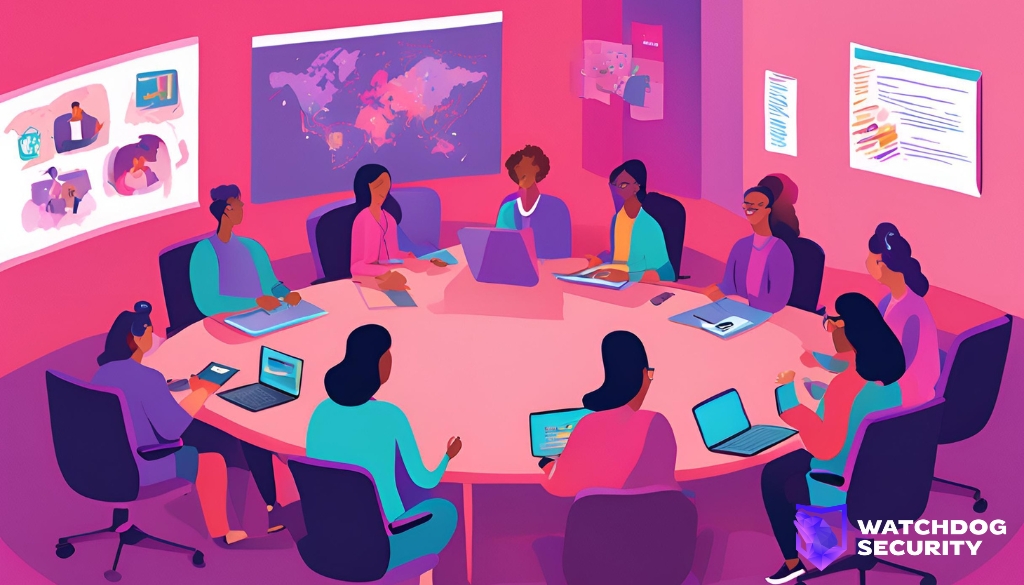
A cybersecurity tabletop exercise is a discussion-based session where team members (across an organization or department) meet in an informal, classroom-style setting (or virtual meeting) to discuss their roles during an emergency and their response to particular situations. A facilitator is usually responsible for performing the exercise; this can be an internal or external resource. This blog post aims to prepare you to act as a facilitator and perform cybersecurity tabletop exercises for your organization, in addition to some scenarios across various industries that can be used.
The Benefits of Table Top Exercises
Tabletop exercises are valuable for testing Incident Response and Business Continuity and Disaster Recovery (BCDR) plans. They are an excellent way to gauge your organization’s vulnerability to a ransomware attack. Our research, based on multiple reports from sources such as the U.S. Small Business Administration and FEMA, has led us to conclude that even businesses with backups can only recover a portion of the data they backed up. This is often due to gaps in the untested or overlooked parts of the BCDR plan, which can facilitate such incidents. Surprisingly, 15% of businesses in this study failed to recover despite having backups, underscoring the necessity of tabletop exercises. Furthermore, the benefits extend beyond this, as these exercises will strengthen your IR and BCDR plans. In a disaster, your team will be well-prepared, potentially saving tens (if not hundreds of thousands) in cybersecurity or I.T. recovery fees. Should you ever decide to pursue cybersecurity insurance or align with a framework such as ISO 27001, SOC 2, or CyberSecure Canada, tabletop exercises are a requirement, and our template and steps in the blog can help meet that requirement. Challenges in Successful Data Recovery Post-Ransomware Attack
Objective Setting
Before scheduling a tabletop exercise, it’s crucial to comprehend its basis and purpose. As the facilitator, you must pinpoint the exercise’s intended goals (e.g., testing recovery procedures in case of a ransomware attack and evaluating communication protocols) and establish clear objectives before developing a formal document to guide the discussion.
Scenario Development
Once the objective is identified, creating realistic and relevant scenarios is essential. Scenarios should be customized to address the specific risks and challenges that your organization might face, such as exploitation of serverless functions in your AWS environment or a ransomware attack affecting your Active Directory (AD) network. In this blog post, we will also provide various scenarios tailored to different industries that you can use and some generalized ones.
Role Assignment
Assigning roles ensures that each participant understands their responsibilities during the exercise. It is vital to identify key roles, such as team leads, IT specialists, and communication coordinators, relevant to the scenarios developed. Clearly defining each role’s actions in the scenario will ensure a coordinated response and an effective tabletop exercise.
Facilitation & Documentation
The facilitator leads the exercise, ensuring the discussion stays on track and everyone participates actively. It’s essential to record all actions, decisions, and observations during the exercise. This record will help review the exercise’s effectiveness, identify areas for improvement, and enhance your organization’s overall preparedness by refining Incident Response and Business Continuity & Disaster Recovery plans.
The following template contains the three generic scenarios above but can be modified to meet your needs. The facilitator should complete this document and share it with the team members participating before the day of the tabletop exercise, ensuring they have adequate time to prepare and make the session more effective. For industry-specific scenarios and inspiration, read on. Tabletop-Exercise-Template Download
- Ransomware Attack (IR)
Scenario: A ransomware attack has encrypted critical business data, and the attackers are demanding a ransom. The team must decide whether to pay the ransom, attempt to restore from backups, or find another solution.
Objective: Test the incident response plan, particularly in decision-making, communication protocols, and data recovery strategies.
- Scenario: A ransomware attack has encrypted critical business data, and the attackers are demanding a ransom. The team must decide whether to pay the ransom, attempt to restore from backups, or find another solution.
- Objective: Test the incident response plan, particularly in decision-making, communication protocols, and data recovery strategies.
- Natural Disaster (BCDR)
Scenario: A natural disaster, such as a flood or earthquake, has disrupted your primary office location. Employees cannot access the office, and critical systems are down.
Objective: Evaluate the effectiveness of the business continuity plan, focusing on maintaining operations and recovering critical systems.
- Scenario: A natural disaster, such as a flood or earthquake, has disrupted your primary office location. Employees cannot access the office, and critical systems are down.
- Objective: Evaluate the effectiveness of the business continuity plan, focusing on maintaining operations and recovering critical systems.
- Data Breach (IR)
Scenario: A data breach has occurred, exposing sensitive customer information. The team must respond quickly to contain the breach, notify affected customers, and comply with regulatory requirements.
Objective: Test the incident response plan’s effectiveness in managing and communicating during a data breach.
- Scenario: A data breach has occurred, exposing sensitive customer information. The team must respond quickly to contain the breach, notify affected customers, and comply with regulatory requirements.
- Objective: Test the incident response plan’s effectiveness in managing and communicating during a data breach.
- Scenario: A ransomware attack has encrypted critical business data, and the attackers are demanding a ransom. The team must decide whether to pay the ransom, attempt to restore from backups, or find another solution.
- Objective: Test the incident response plan, particularly in decision-making, communication protocols, and data recovery strategies.
- Scenario: A natural disaster, such as a flood or earthquake, has disrupted your primary office location. Employees cannot access the office, and critical systems are down.
- Objective: Evaluate the effectiveness of the business continuity plan, focusing on maintaining operations and recovering critical systems.
- Scenario: A data breach has occurred, exposing sensitive customer information. The team must respond quickly to contain the breach, notify affected customers, and comply with regulatory requirements.
- Objective: Test the incident response plan’s effectiveness in managing and communicating during a data breach.
- Phishing Attack Leading to Credential Compromise (IR)
Scenario: An employee in a law firm or consulting agency falls victim to a phishing email, leading to the compromise of sensitive client credentials and access to confidential files.
Objective: Test the incident response plan’s ability to detect, contain, and mitigate the effects of credential theft. Evaluate the communication strategy for informing affected clients and ensuring continued compliance with confidentiality agreements.
- Scenario: An employee in a law firm or consulting agency falls victim to a phishing email, leading to the compromise of sensitive client credentials and access to confidential files.
- Objective: Test the incident response plan’s ability to detect, contain, and mitigate the effects of credential theft. Evaluate the communication strategy for informing affected clients and ensuring continued compliance with confidentiality agreements.
- Data Breach from Cloud-Based Document Management System (BCDR)
Scenario: A vulnerability in the firm’s cloud-based document management system is exploited, exposing sensitive client documents.
Objective: Assess the business continuity plan’s effectiveness in isolating the breach, recovering affected documents, and implementing additional security measures. Ensure that the firm can maintain operations and protect client data integrity.
- Scenario: A vulnerability in the firm’s cloud-based document management system is exploited, exposing sensitive client documents.
- Objective: Assess the business continuity plan’s effectiveness in isolating the breach, recovering affected documents, and implementing additional security measures. Ensure that the firm can maintain operations and protect client data integrity.
- Scenario: An employee in a law firm or consulting agency falls victim to a phishing email, leading to the compromise of sensitive client credentials and access to confidential files.
- Objective: Test the incident response plan’s ability to detect, contain, and mitigate the effects of credential theft. Evaluate the communication strategy for informing affected clients and ensuring continued compliance with confidentiality agreements.
- Scenario: A vulnerability in the firm’s cloud-based document management system is exploited, exposing sensitive client documents.
- Objective: Assess the business continuity plan’s effectiveness in isolating the breach, recovering affected documents, and implementing additional security measures. Ensure that the firm can maintain operations and protect client data integrity.
- API Exploitation Leading to Data Leak (IR)
Scenario: A SaaS company’s API is exploited by attackers, resulting in unauthorized access to customer data across multiple clients.
Objective: Test the incident response plan’s capacity to identify the breach, revoke unauthorized access, and communicate with affected customers. Evaluate the steps taken to patch the vulnerability and prevent future breaches.
- Scenario: A SaaS company’s API is exploited by attackers, resulting in unauthorized access to customer data across multiple clients.
- Objective: Test the incident response plan’s capacity to identify the breach, revoke unauthorized access, and communicate with affected customers. Evaluate the steps taken to patch the vulnerability and prevent future breaches.
- Cloud Provider Outage (BCDR)
Scenario: A major cloud service provider experiences an outage, causing downtime for the SaaS platform and affecting service availability for customers.
Objective: Assess the business continuity plan’s ability to maintain service levels through backup systems, alternative providers, or on-premise solutions. Test the communication strategy for keeping customers informed during the outage.
- Scenario: A major cloud service provider experiences an outage, causing downtime for the SaaS platform and affecting service availability for customers.
- Objective: Assess the business continuity plan’s ability to maintain service levels through backup systems, alternative providers, or on-premise solutions. Test the communication strategy for keeping customers informed during the outage.
- Scenario: A SaaS company’s API is exploited by attackers, resulting in unauthorized access to customer data across multiple clients.
- Objective: Test the incident response plan’s capacity to identify the breach, revoke unauthorized access, and communicate with affected customers. Evaluate the steps taken to patch the vulnerability and prevent future breaches.
- Scenario: A major cloud service provider experiences an outage, causing downtime for the SaaS platform and affecting service availability for customers.
- Objective: Assess the business continuity plan’s ability to maintain service levels through backup systems, alternative providers, or on-premise solutions. Test the communication strategy for keeping customers informed during the outage.
- Phishing Attack Leading to Credential Compromise (IR)
Scenario: An employee in a law firm or consulting agency falls victim to a phishing email, compromising sensitive client credentials and access to confidential files.
Objective: Test the incident response plan’s ability to detect, contain, and mitigate the effects of credential theft. Evaluate the communication strategy for informing affected clients and ensuring continued compliance with confidentiality agreements.
- Scenario: An employee in a law firm or consulting agency falls victim to a phishing email, compromising sensitive client credentials and access to confidential files.
- Objective: Test the incident response plan’s ability to detect, contain, and mitigate the effects of credential theft. Evaluate the communication strategy for informing affected clients and ensuring continued compliance with confidentiality agreements.
- Data Breach of Patient Information (BCDR)
Scenario: A data breach results in the exposure of patient health records and personal information.
Objective: Assess the business continuity plan’s effectiveness in securing patient data, notifying affected individuals, and ensuring compliance with healthcare regulations such as HIPAA/PHIPA. Test the recovery procedures to restore data integrity and trust.
- Scenario: A data breach results in the exposure of patient health records and personal information.
- Objective: Assess the business continuity plan’s effectiveness in securing patient data, notifying affected individuals, and ensuring compliance with healthcare regulations such as HIPAA/PHIPA. Test the recovery procedures to restore data integrity and trust.
- Scenario: An employee in a law firm or consulting agency falls victim to a phishing email, compromising sensitive client credentials and access to confidential files.
- Objective: Test the incident response plan’s ability to detect, contain, and mitigate the effects of credential theft. Evaluate the communication strategy for informing affected clients and ensuring continued compliance with confidentiality agreements.
- Scenario: A data breach results in the exposure of patient health records and personal information.
- Objective: Assess the business continuity plan’s effectiveness in securing patient data, notifying affected individuals, and ensuring compliance with healthcare regulations such as HIPAA/PHIPA. Test the recovery procedures to restore data integrity and trust.
1. How often should businesses conduct tabletop exercises?
It is recommended that businesses conduct tabletop exercises at least annually or whenever there is a significant change in their operations or IT infrastructure. Regular exercises help prepare your team and ensure that your incident response and business continuity plans remain up-to-date and effective.
2. How do tabletop exercises improve incident response?
Tabletop exercises improve incident response by allowing teams to practice and refine their response procedures in a low-pressure environment. This practice helps to identify weaknesses in the plan, improve coordination among team members, and increase overall confidence in handling actual incidents.
3. Is my business too small to benefit from a Cybersecurity Tabletop Exercise?
No business is too small to benefit from a Cybersecurity Tabletop Exercise. In fact, small and medium-sized businesses (SMBs) often have limited resources, making it even more crucial to be prepared for potential cyber threats.
Stay Audit-Ready and Simplify Compliance
Compliance doesn’t have to be complex. Kickstart your program on our unified trust, compliance, and security platform, free-for-life, and access:
- Policy management – publish, distribute, and track policies with ease
- Risk and vendor tracking – stay ahead of gaps and third-party exposures
- Framework coverage – SOC 2, ISO 27001, HIPAA, GDPR, and 15+ more
- Audit readiness tools – organize evidence and streamline certifications
Get started free today – no credit card required.
Additional Resources
- Exercises (Ready.gov)
- CISA Tabletop Exercise Packages (Cybersecurity & Infrastructure Security Agency)
- Cybersecurity Tabletop Exercise Tips (Cybersecurity & Infrastructure Security Agency)
Exercises (Ready.gov) CISA Tabletop Exercise Packages (Cybersecurity & Infrastructure Security Agency) Cybersecurity Tabletop Exercise Tips (Cybersecurity & Infrastructure Security Agency)

